ARMRA vs Regular Colostrum Powder: What the Premium Buys You
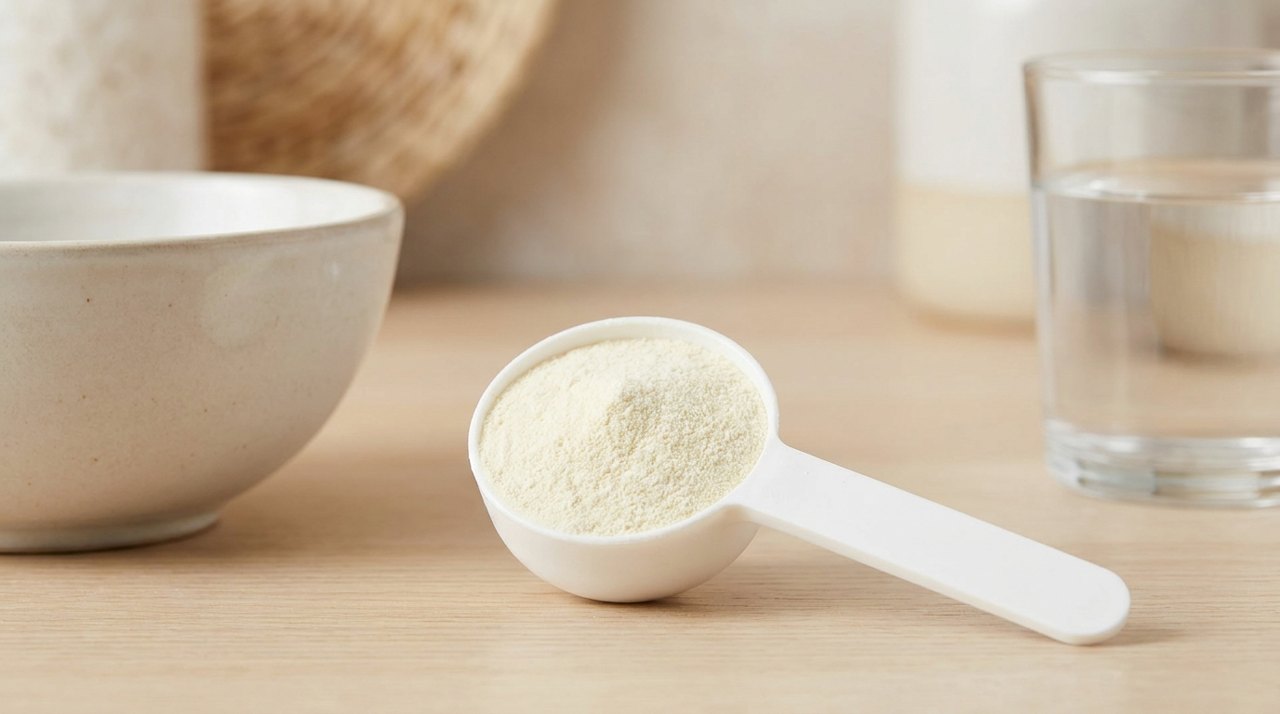
ARMRA has become the most visible name in colostrum supplements, with sleek packaging, celebrity endorsements, and a price tag to match. But does its proprietary processing actually deliver more than a standard bovine colostrum powder costing half as much? Here's an honest look at what the premium buys you — and where the differences may matter less than the marketing suggests.
What ARMRA Actually Is
ARMRA Colostrum is a bovine colostrum powder sold in single-serve stick packs or bulk jars. The company's central claim is its "Cold-Chain BioPotent Technology" — a proprietary low-heat processing method said to preserve more of colostrum's fragile bioactive compounds than conventional pasteurization and spray-drying. ARMRA also removes most of the fat and casein, which concentrates the remaining whey fraction where immunoglobulins and other bioactives live.
Beyond that, it's still colostrum: the nutrient-dense first milk cows produce after calving, containing immunoglobulins (primarily IgG), lactoferrin, growth factors, and oligosaccharides. If you're new to the ingredient itself, our overview of colostrum powder basics covers what these compounds are and what they may do.
The Head-to-Head Differences
| Factor | ARMRA | Typical Regular Powder |
|---|---|---|
| Price per serving | Roughly $1.30–$2.75 | Roughly $0.30–$1.00 |
| Serving size | 1 g (bulk) or ~2 g (sticks) | Often 3–10 g |
| IgG content disclosed? | Not stated as a percentage | Often standardized (15–40% IgG) |
| Processing | Proprietary low-heat method | Varies: freeze-dried, low-heat spray-dried, or conventionally pasteurized |
| Fat/casein | Mostly removed | Usually retained (whole colostrum) |
| Flavors | Unflavored plus flavored options | Usually unflavored only |
Shopping for colostrum? Our current best-value pick is BIOMIXA grass-fed colostrum powder on Amazon.
Where the Premium Has Real Substance
Processing quality
Heat genuinely matters for colostrum. Immunoglobulins and lactoferrin are proteins that denature at high temperatures, so aggressive pasteurization or high-heat spray-drying can reduce biological activity. ARMRA's emphasis on low-heat processing addresses a legitimate concern — though it's worth noting that reputable budget brands also use freeze-drying or low-heat methods and say so on the label. Low-heat processing is not exclusive to premium pricing.
Convenience and palatability
Stick packs travel well, and ARMRA's flavored versions dissolve cleanly in water. Regular colostrum powder has a mild creamy taste that most people don't mind, but it typically requires a scoop and something to mix it into — our how-to-use guide covers the practical side of working plain powder into a daily routine.
Sourcing transparency
ARMRA states its colostrum comes from grass-fed, pasture-raised herds in the US and undergoes third-party testing. That's a genuine plus — but again, several mid-priced competitors make identical claims with published certificates of analysis.
Where the Premium Gets Shakier
The dose question
This is the biggest honest criticism. Most published research on bovine colostrum — for exercise recovery, gut permeability markers, and upper respiratory symptoms in athletes — used doses of 10 to 60 grams per day. Even the promising smaller-dose studies typically used several grams. ARMRA's standard serving is around 1 gram. The company argues its concentration and processing make smaller doses effective, but there is little independent published evidence testing that specific claim. Some studies suggest colostrum's benefits may be dose-dependent, which would make a 1-gram serving hard to evaluate against the existing literature.
Undisclosed IgG standardization
Many regular powders state their IgG percentage plainly (for example, "standardized to 25% IgG"), letting you calculate exactly how much immunoglobulin you're getting per dollar. ARMRA does not publish a comparable figure, which makes direct value comparisons impossible. When a premium product declines to disclose the metric the category is usually judged by, some skepticism is reasonable.
The evidence base is shared
Whatever colostrum may do — and the human evidence remains modest and mixed overall — the research was conducted on colostrum generally, not on ARMRA specifically. A well-made regular powder draws on exactly the same evidence base.
Who Might Reasonably Choose Each
- ARMRA may suit you if: you value grab-and-go convenience, prefer flavored options, want a defatted product, and the price doesn't strain your budget.
- Regular powder may suit you if: you want doses closer to what studies actually used, you prefer a disclosed IgG percentage, or you use larger amounts in smoothies and other colostrum recipes where cost per gram matters.
The Bottom Line
The premium buys you polished convenience, flavored formats, defatted processing, and strong branding. It does not buy you a categorically different ingredient, and on a per-gram basis you're paying several times more for a product that discloses less about its immunoglobulin content than many cheaper rivals. If low-heat processing and transparent sourcing are your priorities, a well-documented mid-priced colostrum powder delivers those same qualities at a fraction of the cost — often at doses better aligned with the research.
Whichever route you take, remember that colostrum is a dietary supplement, not a medicine: it may support general wellness for some people, but it should never replace medical care. Start with a modest dose, watch how you respond, and skip it entirely if you have a dairy allergy.
BIOMIXA Bluegrass Colostrum
A grass-fed, unflavored colostrum powder that balances quality and price well — our pick for the best bang for your buck. Check the current price and reviews on Amazon.