Colostrum in Coffee: Does Heat Destroy It?
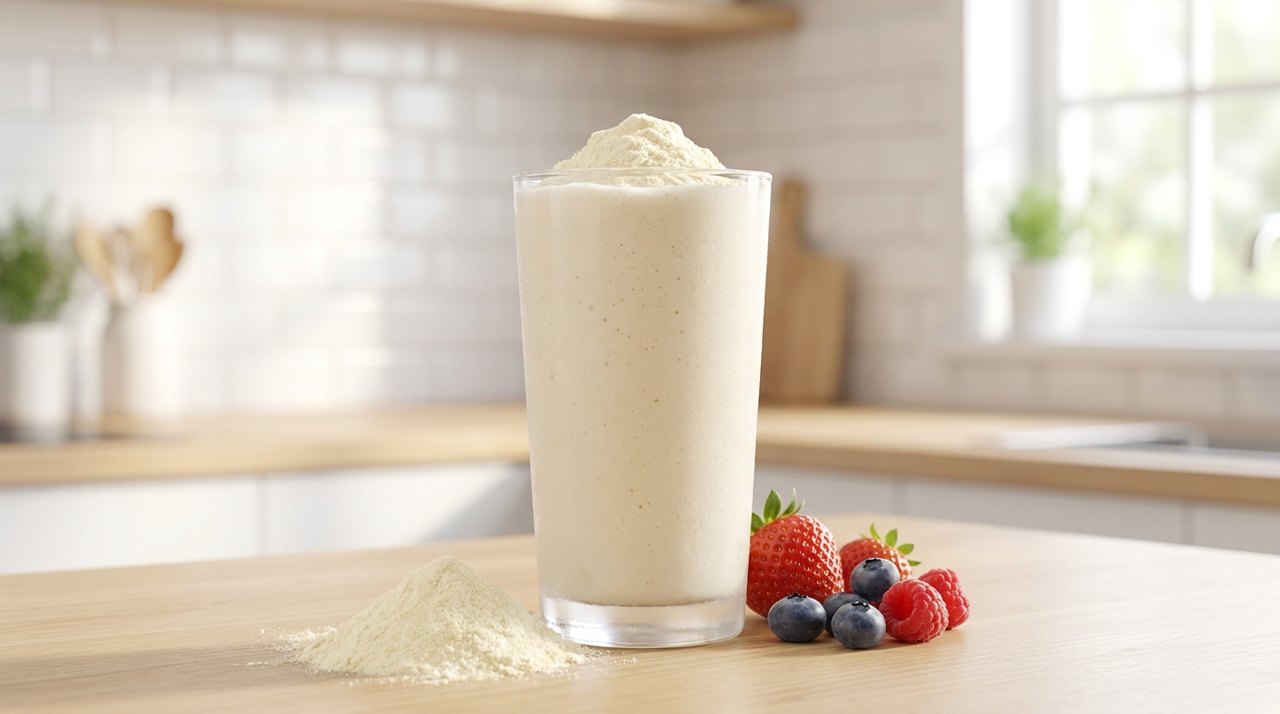
Adding a scoop of colostrum powder to your morning coffee is a popular habit, but it raises a fair question: does the heat ruin it? Colostrum is rich in delicate proteins, and proteins are exactly the kind of molecule that heat tends to break down. The honest answer is that temperature matters, the picture is nuanced, and a few simple habits let you enjoy both your coffee and your supplement without much compromise.
Why heat is a concern for colostrum
Colostrum's most talked-about components — immunoglobulins (antibodies like IgG), lactoferrin, and various growth factors — are proteins. Proteins have a folded three-dimensional shape, and heat can cause them to "denature," meaning they unfold and lose that shape. When a bioactive protein denatures, it may lose some or all of its biological activity. This is the core reason people worry about stirring colostrum into a hot drink.
It's worth noting that denaturation is not the same as destruction. The protein and its amino acids still exist and still carry nutritional value, but the specific functional behavior some studies associate with these molecules may be reduced.
What the evidence actually suggests
Research on colostrum processing gives us useful clues, though most of it comes from food-science and manufacturing studies rather than from people stirring powder into a mug.
- IgG is moderately heat-sensitive. Some studies suggest immunoglobulin activity begins to decline noticeably above roughly 60–65°C (140–149°F), with greater losses as temperature and time increase. Brief exposure tends to matter less than prolonged heating.
- Lactoferrin is fairly fragile. It may start losing structure at moderate temperatures, which is why gentle processing is often emphasized.
- Time and temperature work together. A quick stir into a warm drink is very different from simmering colostrum for several minutes.
Because this evidence is largely indirect, treat any precise "X% destroyed" figure with caution. The general direction — hotter and longer means more loss — is well supported, but exact numbers for your specific cup are not.
How hot is your coffee, really?
Freshly brewed coffee is often served around 70–80°C (158–176°F), which is within the range where protein activity can decline. However, the temperature drops quickly once it's in your cup, especially after adding milk or a splash of cold water.
| Situation | Approx. temperature | Likely impact |
|---|---|---|
| Just-poured black coffee | 75–80°C | Higher potential loss of activity |
| Coffee after 5–10 min or with milk | 55–65°C | Moderate, reduced loss |
| Warm (not hot) coffee or latte | 40–50°C | Lower potential loss |
| Iced or cold-brew coffee | Below 25°C | Minimal loss expected |
Practical ways to protect the bioactives
You don't have to choose between coffee and colostrum. A few small adjustments can meaningfully reduce heat exposure:
- Let the coffee cool first. Wait a few minutes, or add cold milk, so the drink is warm rather than scalding before you stir in the powder.
- Stir in at the end. Add colostrum last, off the heat — never boil or microwave it into the drink.
- Consider cold coffee. Iced coffee and cold brew are the gentlest option and preserve the most activity.
- Mix smart. Dissolve the powder in a little cool water or milk first, then add it to the cup to avoid clumping. See our how-to-use guide for mixing tips.
Does it still "count" if some activity is lost?
Even if a portion of the heat-sensitive proteins lose activity, colostrum in hot coffee is not worthless. You still get the amino acids, peptides, and general nutritional content. For people who primarily value colostrum as a protein-rich supplement, a hot drink may be perfectly acceptable. For those specifically interested in immunoglobulin or lactoferrin activity, cooler preparations are the safer bet.
Remember that colostrum is a dietary supplement, not a treatment for any condition, and individual responses vary. The "best" temperature depends on what you personally hope to get from it.
The bottom line
Heat can reduce the activity of some colostrum components, and very hot, freshly brewed coffee sits in a range where losses are plausible. But the effect is gradual, not all-or-nothing, and easily softened by letting your coffee cool, stirring the powder in last, or choosing iced coffee. If preserving bioactivity is your priority, cooler is better — and if convenience wins, a warm cup is still a reasonable way to take it. For more drink ideas that keep things gentle, browse our colostrum recipes.
BIOMIXA Bluegrass Colostrum
A grass-fed, unflavored colostrum powder that balances quality and price well — our pick for the best bang for your buck. Check the current price and reviews on Amazon.