Colostrum Powder vs. Liquid: Which to Choose
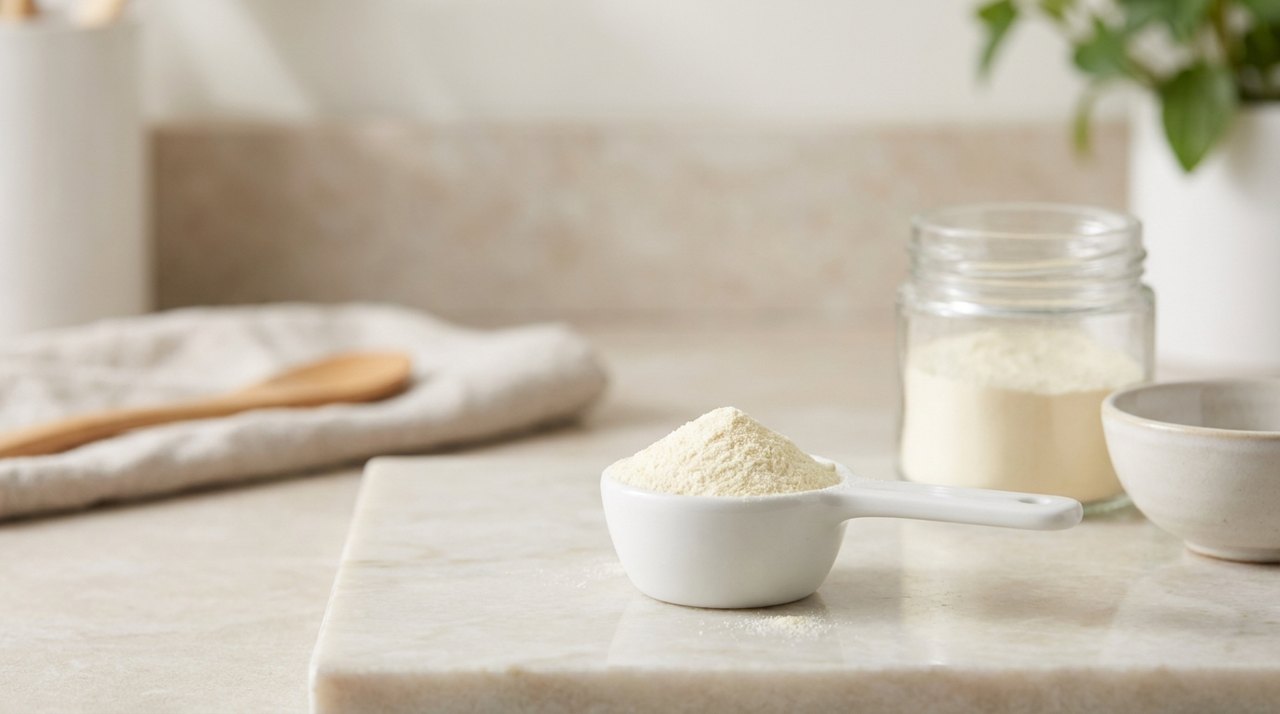
Colostrum supplements come in two main formats: powder and liquid. Both are derived from the same nutrient-rich first milk produced by mammals (usually cattle) after birth, but they differ in convenience, cost, shelf life, and how easily you can adjust your dose. This guide walks through the practical trade-offs so you can decide which suits your routine — keeping in mind that colostrum is a dietary supplement, not a treatment for any disease.
What's actually different between the two?
The underlying ingredient is similar. Most colostrum products start as liquid bovine colostrum that is then processed. Powder is typically made by spray-drying or freeze-drying that liquid into a shelf-stable form, while "liquid" colostrum usually means a ready-to-drink concentrate, a reconstituted formula, or fresh/frozen colostrum. Because powder is concentrated, a small scoop can represent a larger volume of original colostrum.
Some manufacturers argue that gentler drying methods better preserve heat-sensitive components such as immunoglobulins (notably IgG) and growth factors. Evidence on this is mixed, and actual retention depends heavily on the specific process and temperature used rather than the format alone. If preserving bioactive compounds matters to you, the processing detail matters more than the powder-versus-liquid label.
Comparing the formats
| Factor | Powder | Liquid |
|---|---|---|
| Shelf life | Long; stable at room temperature when sealed | Shorter; often needs refrigeration once opened |
| Dose control | Flexible — adjust by the scoop | Usually fixed serving sizes |
| Convenience | Mix into drinks or food | Ready to consume, no mixing |
| Travel | Light, no spill risk | Bulkier, can leak |
| Cost per serving | Often lower | Frequently higher |
Reasons people choose powder
Powder is the format this site focuses on, and for many users it's the more practical pick:
- Value: Concentrated powder tends to cost less per serving and lasts longer, reducing waste.
- Dose flexibility: You can start low and increase gradually, which some people find easier on digestion.
- Versatility: It blends into smoothies, yogurt, or water. See our how to use guide and some recipes for ideas.
- Storage: A sealed pouch or jar stores easily and travels well.
The trade-off is that powder requires mixing, and texture or taste can vary by brand. Some people find it clumps in cold liquid.
Reasons people choose liquid
- Ready to use: No scooping or stirring — helpful if you want a grab-and-go option.
- Perceived freshness: Minimally processed liquid products may appeal to those who prefer fewer processing steps, though this doesn't automatically mean higher potency.
- Easier swallowing: A drinkable form can suit people who dislike mixing powders or taking capsules.
The downsides are practical: liquid usually costs more per serving, often needs refrigeration, has a shorter usable window once opened, and offers less flexibility in adjusting your amount.
How to decide
Rather than asking which is universally "better," match the format to your priorities:
- Budget-focused or long-term use? Powder usually wins on cost and shelf life.
- Maximum convenience with no prep? Liquid may suit you, if you accept the higher price.
- Want to fine-tune your dose? Powder gives you the most control.
- Frequent traveler? Powder is lighter and less prone to spills.
Whichever format you lean toward, the quality signals are the same: look for the source (ideally first-milking bovine colostrum), a stated IgG percentage, third-party testing, and clear sourcing. These factors influence what you get far more than the powder-or-liquid question. You can browse more comparisons on our articles page.
A note on evidence
Research on bovine colostrum is ongoing, and some studies suggest possible benefits for gut and immune-related markers, but findings are often small, short-term, or industry-funded. There is no strong evidence that one format outperforms the other for general wellness use, and colostrum should not be relied upon to treat, cure, or prevent any condition. If you're pregnant, immunocompromised, have a dairy allergy, or take medication, check with a qualified healthcare professional before starting.
Bottom line
For most people seeking value, flexibility, and easy storage, powder is the more practical everyday choice — which is why it's our focus. Liquid can make sense when convenience outweighs cost. Either way, prioritize a well-sourced, transparently tested product and a consistent routine over the format itself.
BIOMIXA Bluegrass Colostrum
A grass-fed, unflavored colostrum powder that balances quality and price well — our pick for the best bang for your buck. Check the current price and reviews on Amazon.