A Simple Colostrum Powder Protocol for Athletes
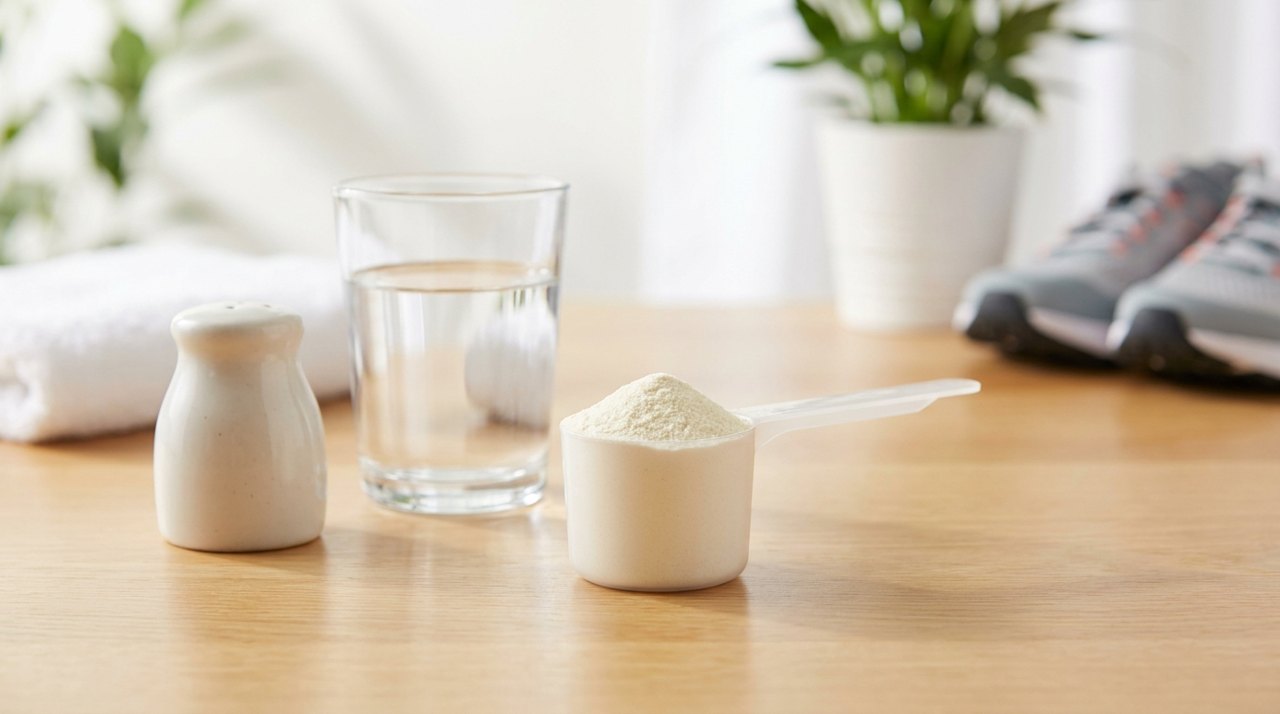
Bovine colostrum powder has quietly become a staple in many athletes' supplement stacks, with some research suggesting it may support gut integrity, immune resilience during heavy training blocks, and possibly recovery. The evidence is promising but far from settled, so the smartest approach is a simple, consistent protocol that costs little effort to follow and makes it easy to judge whether it's doing anything for you. Here is a practical, evidence-minded way to structure it.
Why Athletes Consider Colostrum in the First Place
Hard training is a stressor. Prolonged or intense exercise temporarily increases intestinal permeability (sometimes called "leaky gut") and can suppress certain immune markers for hours afterward. This is where colostrum enters the conversation: several small studies suggest that bovine colostrum supplementation may help maintain gut barrier function during exercise in the heat and may reduce the incidence of self-reported upper respiratory symptoms in athletes during intense training periods.
It's worth being honest about the limits of this research. Many of the studies are small, use different doses and products, and measure surrogate markers rather than hard outcomes. Findings on performance itself — strength, endurance, body composition — are mixed, with some trials showing modest effects and others showing none. Colostrum is a dietary supplement, not a treatment for any condition, and it won't replace the fundamentals of sleep, calories, and sensible programming.
The Basic Protocol
Most athlete-focused studies have used doses in the range of 10–60 grams per day, which is considerably higher than the 1–5 grams typical of general wellness use. A reasonable middle path for most athletes looks like this:
| Phase | Duration | Daily dose | Timing |
|---|---|---|---|
| Introduction | Week 1 | 5 g | Once daily, morning |
| Loading | Weeks 2–4 | 10–20 g | Split: morning + post-training |
| Maintenance | Ongoing | 10 g | Morning or post-training |
| Heavy blocks / competition prep | 2–8 weeks | 20 g | Split doses |
The introduction week exists mainly to check tolerance. Colostrum contains lactose and dairy proteins, so anyone with lactose sensitivity should start low and pay attention; anyone with a true milk allergy should avoid it entirely.
How to Take It
- Mix into cool or room-temperature liquid. Water, milk, or a smoothie all work. Avoid hot liquids — the bioactive proteins in colostrum, such as immunoglobulins, are heat-sensitive, and high temperatures may degrade them.
- Take it consistently. Whatever the mechanism turns out to be, the studies that reported benefits used daily supplementation over weeks, not occasional use.
- Consider empty-stomach dosing. Some users take it 20–30 minutes before food on the theory that this improves survival of bioactive components through digestion. Direct evidence for this is thin, but it's a harmless habit if it suits your routine.
- Pair the second dose with training days. On split-dose days, taking one serving within an hour or so after training slots it neatly into a recovery shake. Our colostrum recipes page has smoothie ideas that keep temperatures colostrum-friendly.
Timing Around Training Blocks
Because the most consistent findings relate to gut and immune markers under heavy load, it makes sense to prioritize colostrum during the phases where those systems are most stressed:
- High-volume endurance blocks — long runs, big cycling weeks, or heat training, where gut permeability studies are most relevant.
- Competition lead-ins — the final weeks before an event, when getting sick is most costly.
- Heavy travel periods — disrupted sleep and exposure to new environments strain the immune system, though evidence here is indirect.
During true off-seasons or deload phases, some athletes drop to a low maintenance dose or pause entirely. There's no strong evidence that cycling is necessary, but pausing occasionally is also a useful way to notice whether the supplement is making a subjective difference.
Choosing a Powder Worth Taking
Product quality varies widely, and for athletes there's one non-negotiable consideration: third-party testing for banned substances. If you compete in a drug-tested sport, look for products certified by NSF Certified for Sport or Informed Sport. Beyond that, favor powders that state their IgG (immunoglobulin G) content — often 15–30% — and that specify the colostrum was collected within the first hours after calving. Low-heat processing (such as spray-drying at controlled temperatures or freeze-drying) helps preserve the bioactive proteins.
A Quick Pre-Purchase Checklist
- Third-party tested (essential for tested athletes)
- Stated IgG percentage on the label
- Sourced from pasture-raised, antibiotic-monitored herds
- Minimal added ingredients — flavoring is fine, proprietary blends are a red flag
Tracking Whether It's Working
Because the expected effects are subtle, tracking beats guessing. Over an 8–12 week trial, note training-day GI comfort (especially on long or hot sessions), the number of days lost to minor illness compared with the same period last year, and general recovery feel. None of these are rigorous measures, but together they give you a fair basis for deciding whether the powder earns a permanent place in your stack — or whether that money is better spent elsewhere.
The Bottom Line
A sensible athlete's protocol is simple: start at 5 grams daily to check tolerance, build to 10–20 grams split around training, hold it consistently through your hardest blocks, and reassess after two to three months. Keep expectations calibrated — colostrum may support gut and immune function under heavy training stress, but the research is early and individual responses vary. For step-by-step mixing instructions and more on daily use, see our guide on how to use colostrum powder.
BIOMIXA Bluegrass Colostrum
A grass-fed, unflavored colostrum powder that balances quality and price well — our pick for the best bang for your buck. Check the current price and reviews on Amazon.