Does Colostrum Break Ketosis? Colostrum on a Keto Diet
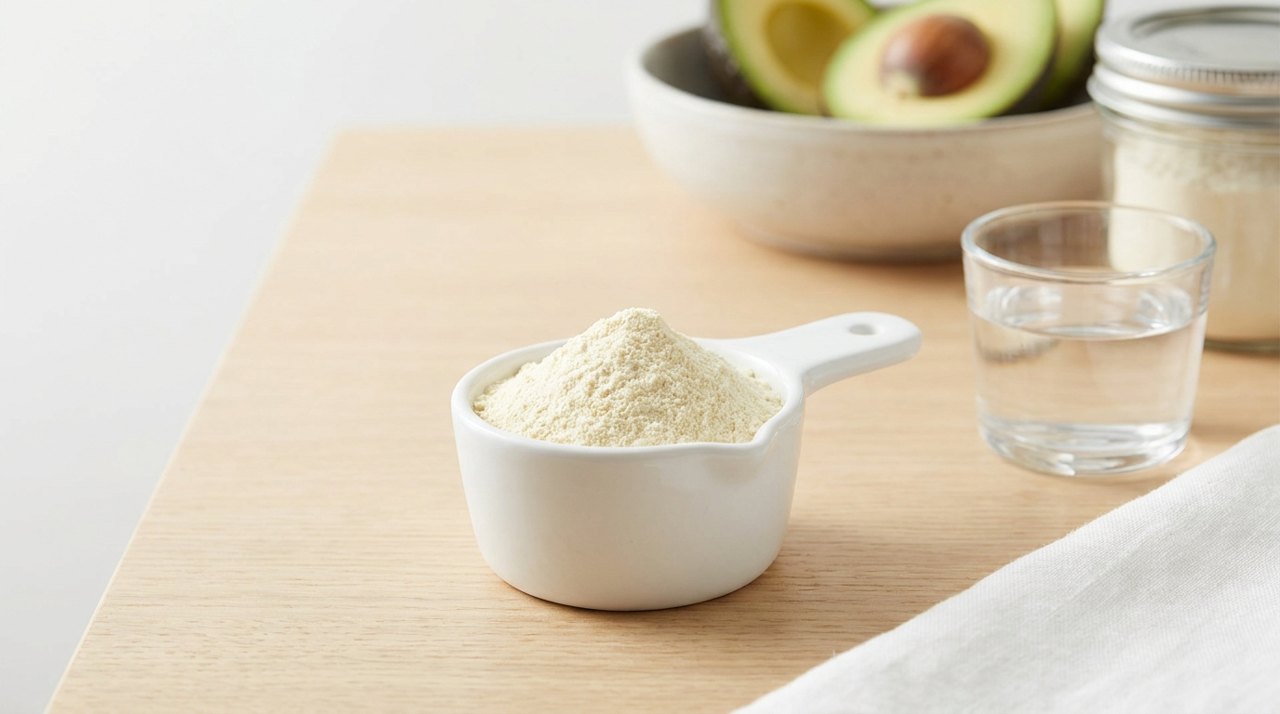
Strict keto dieters count every gram, so it's a fair question: will a scoop of colostrum powder knock you out of ketosis? The short answer is that a typical serving of bovine colostrum is unlikely to break ketosis for most people, because it contains only a small amount of lactose and carbohydrate. That said, "unlikely" is not "impossible" — serving size, product quality, and your individual carb threshold all matter. Here's an honest look at the numbers.
What's Actually in a Serving of Colostrum Powder?
Colostrum is the first milk mammals produce after giving birth, and although it comes from a dairy source, its composition differs from regular milk. It is proportionally higher in protein — including immunoglobulins and other bioactive components — and lower in lactose than mature milk.
A common serving of bovine colostrum powder is around 3–5 grams (roughly half a teaspoon to a teaspoon). A serving that size typically provides approximately:
| Nutrient | Approx. amount per 3–5 g serving |
|---|---|
| Calories | 10–20 kcal |
| Protein | 1.5–3 g |
| Carbohydrates (mostly lactose) | 0.5–1.5 g |
| Fat | 0–1 g |
Exact values vary by brand and processing method, so always check the label of your specific product. But in broad strokes, one serving of colostrum contributes about as many carbs as a few leaves of spinach.
Does That Amount of Carbohydrate Break Ketosis?
Most people following a ketogenic diet stay in ketosis when total daily carbohydrates remain under roughly 20–50 grams, though individual tolerance varies considerably. Against that budget, the 0.5–1.5 grams of carbs in a standard colostrum serving is a minor line item. Unless you are taking very large doses or your carb ceiling is unusually strict, colostrum is unlikely to be the thing that tips you out of ketosis.
There are two caveats worth knowing:
1. Protein and insulin
Dairy proteins, particularly whey fractions, can stimulate an insulin response somewhat out of proportion to their carb content. In theory, a significant insulin rise could modestly suppress ketone production for a short period. In practice, the 1.5–3 grams of protein in a normal colostrum serving is small compared with the protein in a typical keto meal, so any effect is likely to be minor and temporary. The evidence here is extrapolated from studies on milk and whey rather than colostrum specifically, so treat it as a reasonable inference, not a proven fact.
2. Dose stacking
Some people take colostrum in larger amounts — 10, 20, or even 30 grams per day in certain research protocols. At those doses, the carbohydrate contribution can climb to several grams per day. That's still manageable on most keto plans, but it should be counted, not ignored.
Shopping for colostrum? Our current best-value pick is BIOMIXA grass-fed colostrum powder on Amazon.
Watch Out for Added Ingredients
Pure colostrum powder is one thing; flavored or blended products are another. Some formulations add sweeteners, maltodextrin, flavoring agents, or fillers that meaningfully raise the carb count. Before buying, scan the ingredient list for:
- Added sugars or maltodextrin — these can add fast-absorbing carbs that matter on keto.
- Flavored blends — "vanilla" or "chocolate" versions often carry more carbohydrate than plain powder.
- Skim milk powder fillers — cheaper products are sometimes diluted with milk solids, which raises lactose content.
A plain, single-ingredient colostrum powder is the safest choice for anyone tracking carbs closely.
Practical Tips for Taking Colostrum on Keto
- Count it. Log the carbs and protein from your serving like any other food. At 3–5 grams of powder, it will barely register, but the habit keeps you honest.
- Stick to standard doses. There's no clear evidence that megadoses offer proportionally greater benefit for general wellness use, and smaller doses keep the carb math trivial.
- Mix it into keto-friendly liquids. Water, unsweetened almond milk, or a low-carb smoothie work well — just avoid mixing it into hot liquids, which may degrade some of its heat-sensitive proteins. Our guide on how to use colostrum powder covers timing and mixing in detail, and you'll find low-carb-adaptable ideas in our colostrum recipes.
- Test if you're unsure. If you use blood or breath ketone monitoring, check your levels on days with and without colostrum. Your own data beats any general estimate.
A Note on Colostrum, Keto, and Gut Health
Some people are drawn to colostrum on keto because of its reputation for supporting gut health, and some preliminary studies suggest colostrum's bioactive compounds may help support the gut lining and normal immune function. However, the research is still limited — many studies are small, use varying doses, and focus on specific populations like athletes. Colostrum is a dietary supplement, not a treatment for any condition, and anyone with dairy sensitivities or lactose intolerance should be cautious, since colostrum does contain some lactose and milk proteins.
The Bottom Line
For the vast majority of keto dieters, a standard daily serving of plain colostrum powder — with its roughly 0.5–1.5 grams of carbohydrate — will not break ketosis. The realistic risks are choosing a product padded with sweeteners or fillers, or taking very large doses without counting them. Pick a clean, unflavored powder, log it like any other food, and verify with your own ketone measurements if you want certainty. Used this way, colostrum and keto can coexist without much trouble.
BIOMIXA Bluegrass Colostrum
A grass-fed, unflavored colostrum powder that balances quality and price well — our pick for the best bang for your buck. Check the current price and reviews on Amazon.