How to Mix Colostrum Powder Without Clumps
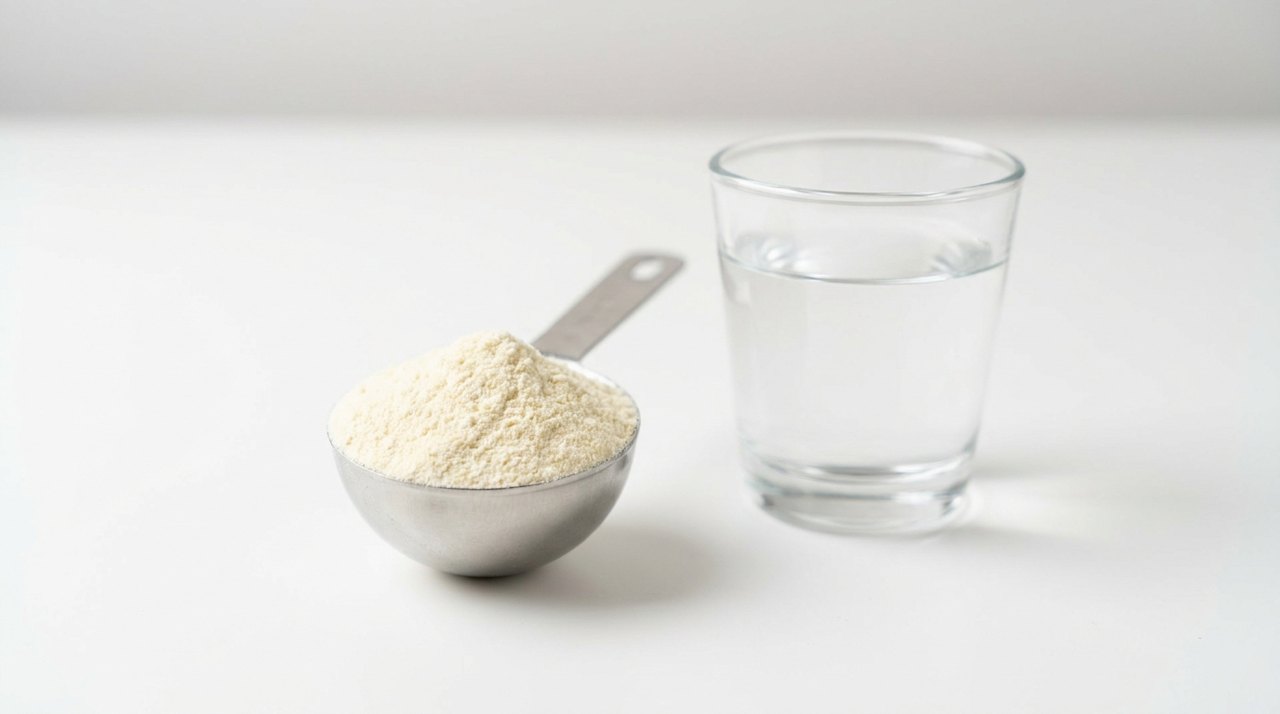
Colostrum powder is famously prone to clumping. Because it is rich in proteins, fats, and immunoglobulins, it tends to attract moisture and resist wetting — the powder floats, sticks to the side of the glass, or forms stubborn lumps that never fully dissolve. The good news is that clumping is almost always a technique problem, not a quality problem. With the right liquid, temperature, and mixing method, you can get a smooth, drinkable blend nearly every time.
Why Colostrum Powder Clumps in the First Place
Understanding the cause makes the fix obvious. Colostrum is hygroscopic, meaning it readily absorbs water. When dry powder hits liquid, the outer particles wet first and swell into a gel-like skin that seals the dry powder inside — the classic "fisheye" lump. A few factors make this worse:
- Heat: Hot liquid can cause the proteins to partially denature and gum together. It may also degrade some heat-sensitive components.
- High fat and protein content: These resist wetting, so the powder prefers to clump rather than disperse.
- Dumping powder into still liquid: Without agitation, particles pile up and bind before they can separate.
- Humidity in storage: Powder that has absorbed moisture from the air clumps before it even reaches the glass.
The Core Method: Slurry First
The single most reliable technique is making a slurry — a thick paste — before adding the rest of your liquid. This is the same trick cooks use to dissolve cornstarch or cocoa.
- Add your colostrum powder to a glass or bowl first.
- Pour in just a small splash of cool or room-temperature liquid — roughly one to two tablespoons.
- Stir vigorously into a smooth paste, pressing out any lumps against the side with a spoon.
- Once smooth, slowly add the remaining liquid while stirring continuously.
Because the powder is fully hydrated as a paste before it meets the bulk liquid, it has no chance to form sealed lumps.
Choose the Right Liquid and Temperature
Liquid choice matters more than most people expect. Cool or lukewarm liquids generally mix better and help protect the bioactive components.
| Liquid | Mixing ease | Notes |
|---|---|---|
| Cool water | Moderate | Use the slurry method; avoid hot water. |
| Whole or plant milk | Good | Fat content helps wet the powder. |
| Smoothie / blended drink | Excellent | Best option for full dispersion. |
| Juice | Moderate | Acidity can affect taste and texture. |
Keep liquids below roughly body temperature when possible. Some manufacturers suggest that excessive heat may reduce the activity of immunoglobulins, though the evidence on real-world impact is limited.
Tools That Help
Best options
- Blender or bullet blender: The most foolproof method. A few seconds of blending eliminates lumps entirely.
- Frother or milk wand: Excellent for single servings; the high-speed whisk disperses powder fast.
- Shaker bottle with a wire whisk ball: Convenient and portable, though very fine powders may still need a slurry first.
Less effective
- A spoon alone — workable only with the slurry method and patience.
- Dropping powder into a full, still glass and stirring at the end.
Troubleshooting Persistent Clumps
- Still lumpy after blending? Let the drink rest for a minute, then blend or stir again — hydration continues after mixing.
- Powder floating on top? Your liquid may be too cold or too fatty to wet quickly; warm it slightly to room temperature.
- Gritty texture? This can be normal for some unprocessed powders. Letting it sit a few minutes often softens it.
- Clumps before mixing? The powder likely absorbed humidity. Store it sealed, cool, and dry, and keep the scoop dry.
Storage to Prevent Future Clumping
Half the battle is keeping the powder dry from the start. Always seal the container tightly, store it away from heat and humidity (not above the stove or in a steamy bathroom), and never dip a wet spoon into the tub. A food-safe desiccant packet can help in humid climates.
Putting It Together
For a smooth result, remember the order: powder first, small splash of cool liquid, stir to a paste, then add the rest — or simply use a blender. These same principles apply whether you are making a plain drink, a coffee blend, or a smoothie. For serving ideas, see our colostrum recipes, and for general guidance on serving sizes and timing, visit how to use colostrum powder. Mixing technique won't change what colostrum does in the body, but it makes a daily routine far more pleasant — and a drink you actually enjoy is one you are more likely to keep taking consistently.
BIOMIXA Bluegrass Colostrum
A grass-fed, unflavored colostrum powder that balances quality and price well — our pick for the best bang for your buck. Check the current price and reviews on Amazon.