A Traveler's Guide to Taking Colostrum Powder
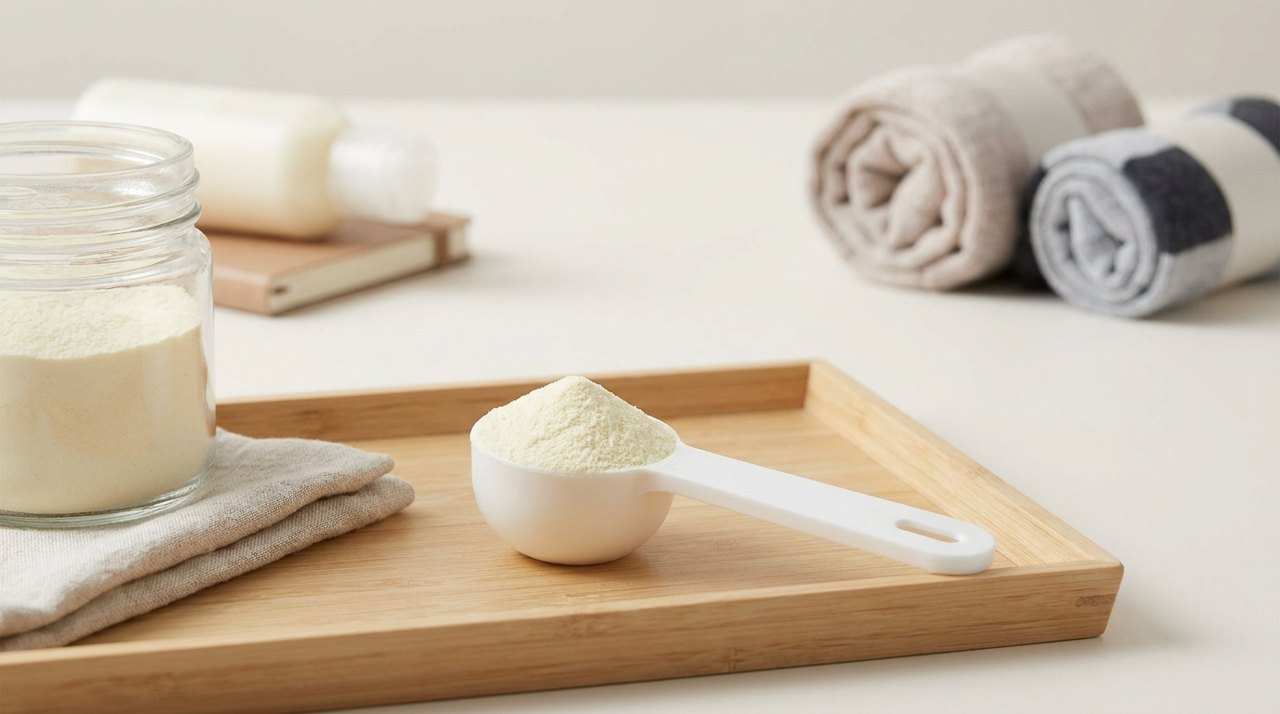
Travel disrupts almost everything about a wellness routine, and supplements are often the first casualty. If colostrum powder is part of your daily habit, a little planning helps it survive the trip — whether you are crossing time zones for work or living out of a backpack for months. This guide covers packing, storage, mixing on the road, and the practical etiquette of carrying a dairy-derived powder through airports and across borders.
Why travelers consider colostrum at all
Colostrum is the first milk produced after birth, rich in immunoglobulins, lactoferrin, and growth factors. Some people take it hoping to support gut and immune resilience during the stress of travel — disrupted sleep, unfamiliar food, and new microbial environments. The evidence here is genuinely mixed: a handful of small studies suggest bovine colostrum may support gut barrier function and reduce some markers of exercise- or travel-related stress, but the research is limited and far from conclusive. Treat it as a supplement that may help, not a guarantee, and never as something that prevents or cures illness. If you are new to it, our overview of how to use colostrum powder is a sensible starting point.
Packing: powder, capsules, or single-serve?
Format matters more on the road than at home. Each option trades convenience for flexibility:
| Format | Travel pros | Travel cons |
|---|---|---|
| Bulk powder | Cheapest, dose-adjustable | Messy, loose powder can draw airport scrutiny |
| Pre-measured sachets | Clean, portion-controlled, clearly labeled | More expensive, more packaging |
| Capsules | No mixing, spill-proof | Bulkier per dose, harder to split |
For short trips, single-serve sachets or capsules are usually the path of least resistance. For longer stays, decanting bulk powder into a sealed, labeled container is more economical.
A simple packing checklist
- Keep powder in its original or clearly labeled container.
- Bring a small shaker bottle or a spoon that fits the container.
- Pack a few extra days' worth in case of travel delays.
- Carry a copy of the product label or ingredients list for customs questions.
Getting through airport security
Powders are allowed in carry-on luggage in most countries, but some screening authorities (including the TSA in the United States) may pull aside containers of powder over roughly 350 ml / 12 oz for additional inspection. To minimize friction:
- Keep colostrum in a clearly labeled container, not an unmarked bag.
- Place larger quantities in checked luggage when practical.
- Be ready to explain it is a dietary milk-protein supplement.
Rules vary by country and change over time, so check your departure and arrival airports' guidance before you fly. Since colostrum is dairy-derived, also confirm any agricultural or animal-product import restrictions at your destination — a quick search of the destination customs website is worth the few minutes.
Storage on the road
Most quality colostrum powders are shelf-stable and tolerate room temperature well, which is good news for travelers. Still, heat, humidity, and direct sun degrade biologically active proteins over time. Practical habits:
- Keep the container sealed and dry — moisture causes clumping and spoilage.
- Avoid leaving it in a hot car, a sunny windowsill, or a steamy bathroom.
- In humid climates, toss in a food-safe desiccant packet.
- If your product specifies refrigeration after opening, a hotel mini-fridge works.
Mixing without a kitchen
You rarely need more than cool or lukewarm water and something to stir with. Hot liquids may damage some of the heat-sensitive components, so let coffee or tea cool slightly first, or simply mix into water on the side. A shaker bottle handles clumps better than a spoon in a hotel glass. For variety on longer trips, our colostrum powder recipes include a few that travel well — overnight-oats-style jars and smoothie blends that work with whatever a local market stocks.
Timing across time zones
Many people take colostrum on an empty stomach in the morning, but consistency matters more than the exact clock time. When crossing time zones, anchor your dose to a daily event — your first meal, for instance — rather than a fixed hour, and let it drift naturally onto local time.
A few honest caveats
Colostrum is a dairy product, so anyone with a milk allergy should avoid it, and those with lactose sensitivity may notice digestive effects — not the ideal surprise mid-flight. Start any new supplement at home, not on the road, so you know how your body responds before you are far from your routine. And if you take medication or have a health condition, talk to a healthcare professional before traveling with it. For more day-to-day guidance, browse our other articles.
With modest preparation — clear labeling, sensible storage, and realistic expectations — colostrum powder is an easy companion to keep in your bag, wherever the trip takes you.
BIOMIXA Bluegrass Colostrum
A grass-fed, unflavored colostrum powder that balances quality and price well — our pick for the best bang for your buck. Check the current price and reviews on Amazon.